Men’s Commuter Style in 2026: How to Dress Well for Work, Weather, and the Journey Between
A practical guide to men’s commuter style in 2026, from weather-ready layers and comfortable shoes to outfit formulas that work from the train to the office.
fashion stylemenswearworkwear
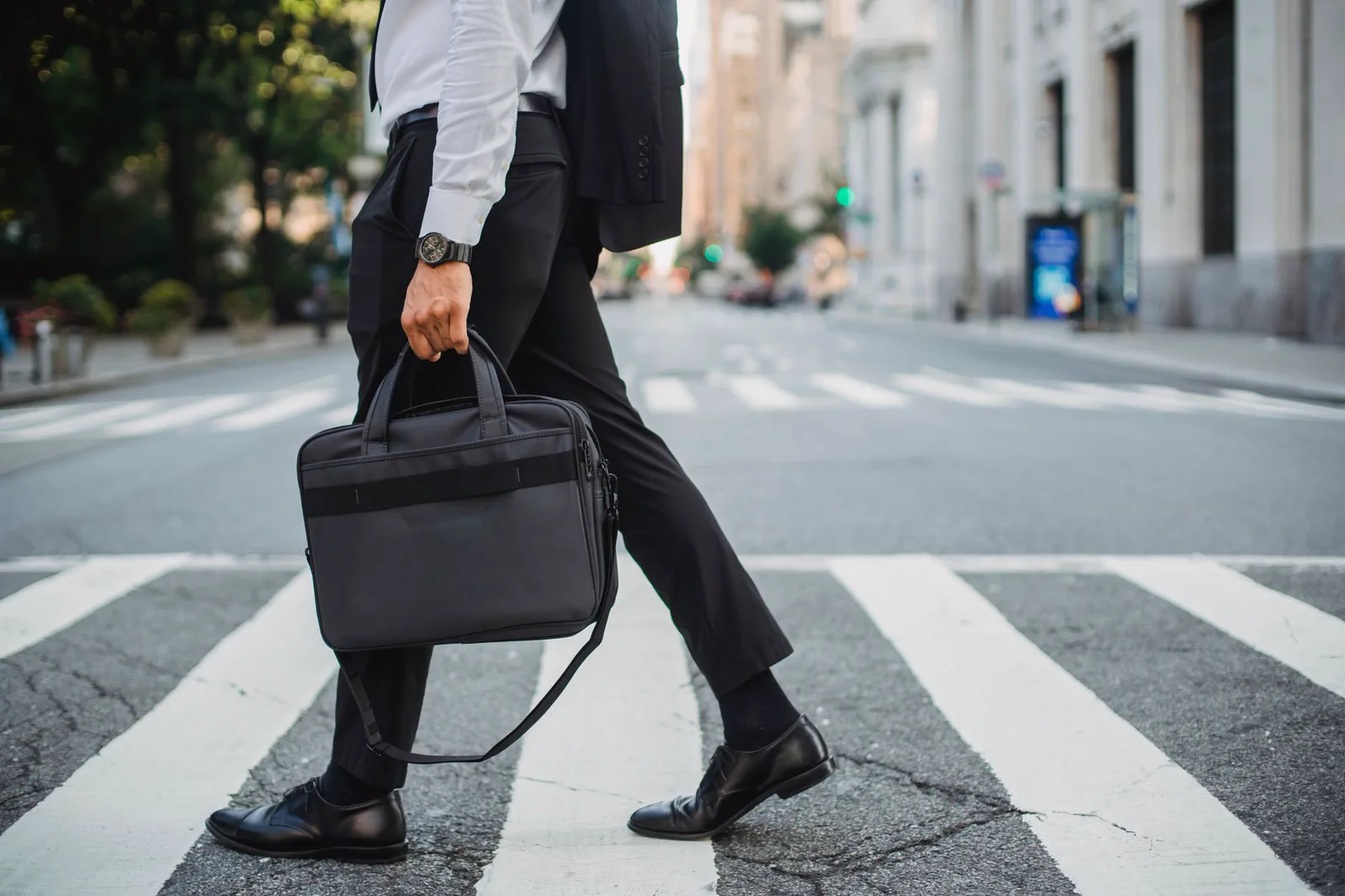
Commuting changes the job of an outfit. It has to work before your first meeting, through a crowded train or a long walk, in an over-air-conditioned office, and sometimes for plans after work. A look that only works while standing still in front of a mirror is not enough.
Men’s commuter style in 2026 is less about chasing one particular silhouette and more about building a wardrobe that makes the workday easier. The best outfits are comfortable without looking casual, polished without feeling precious, and flexible enough to handle shifts in temperature, pace, and setting. Think of it as a small system: a reliable base, a useful outer layer, shoes you can walk in, and a bag that keeps the day organised.
That does not mean dressing in technical fabrics from head to toe or buying an entirely new wardrobe. It means choosing pieces with a clear purpose. A relaxed wool trouser that does not crease badly. A lightweight overshirt that works as a jacket indoors. A rain-resistant coat with room for a knit beneath it. These are the items that earn their place because they solve real problems repeatedly.
This guide will help you put together a men’s commuter wardrobe that looks considered from Monday morning to Friday evening, wherever your route takes you.
Start with the reality of your commute
Before you choose colours, brands, or trends, look closely at your usual day. Do you walk twenty minutes to a station? Cycle part of the way? Spend most of the journey seated? Move between a warm office and cold streets? The useful answer is rarely the most fashionable one in isolation. It is the one that removes friction from your specific routine.
Write down the moments when your current clothes let you down: restrictive trousers on a bike, slippery dress shoes in rain, or a coat that is too warm on the train but not warm enough outdoors. Those frustrations point directly to the upgrades that will matter.
For many people, the most practical commuter wardrobe has three layers of function:
- A comfortable, polished base layer for the office.
- An adaptable mid-layer for warmth and visual structure.
- An outer layer that handles weather and travel.
When each layer can work with the others, getting dressed becomes much simpler. You do not need a different outfit for every forecast. You need a few pieces that can be added, removed, and repeated without looking accidental.
Build your base around refined comfort
The foundation of a strong workday outfit is usually a good pair of trousers and a shirt or knit that sits well on the body. In 2026, the smartest approach is to leave behind the false choice between rigid tailoring and weekend casualwear. There is a wide, useful middle ground.
Start with trousers. Mid-weight wool trousers in charcoal, navy, olive, or a soft brown are hard to beat. They breathe better than many synthetic alternatives, hang cleanly, and work with everything from a fine-gauge knit to an unstructured blazer. Choose a fit that gives you room through the thigh and a clean line through the leg. It does not need to be skinny to look sharp. In fact, a slightly straighter or gently tapered cut usually feels more current and more comfortable on a commute.
Cotton twill chinos remain valuable, especially in stone, navy, or dark olive. Look for enough structure to hold their shape and enough ease to sit, walk, and climb stairs. Pleats can provide useful room through the thigh without making the outfit feel formal.
For tops, an Oxford shirt is still one of the most dependable pieces in menswear. White and pale blue are obvious choices, while a muted stripe or soft chambray brings more character. In relaxed offices, use a polo knit, merino crewneck, or substantial long-sleeve T-shirt. It should look intentional when you remove your jacket.
A little stretch can help, especially in trousers, but a wardrobe made entirely from shiny performance fabric can look overly casual. Natural materials and convincing blends usually look better over a full day.
Use layers to make the outfit work harder
Layering is the part of commuter style that makes an outfit feel prepared rather than overdone. It gives you a way to adjust to changing conditions without carrying a separate wardrobe in your bag.
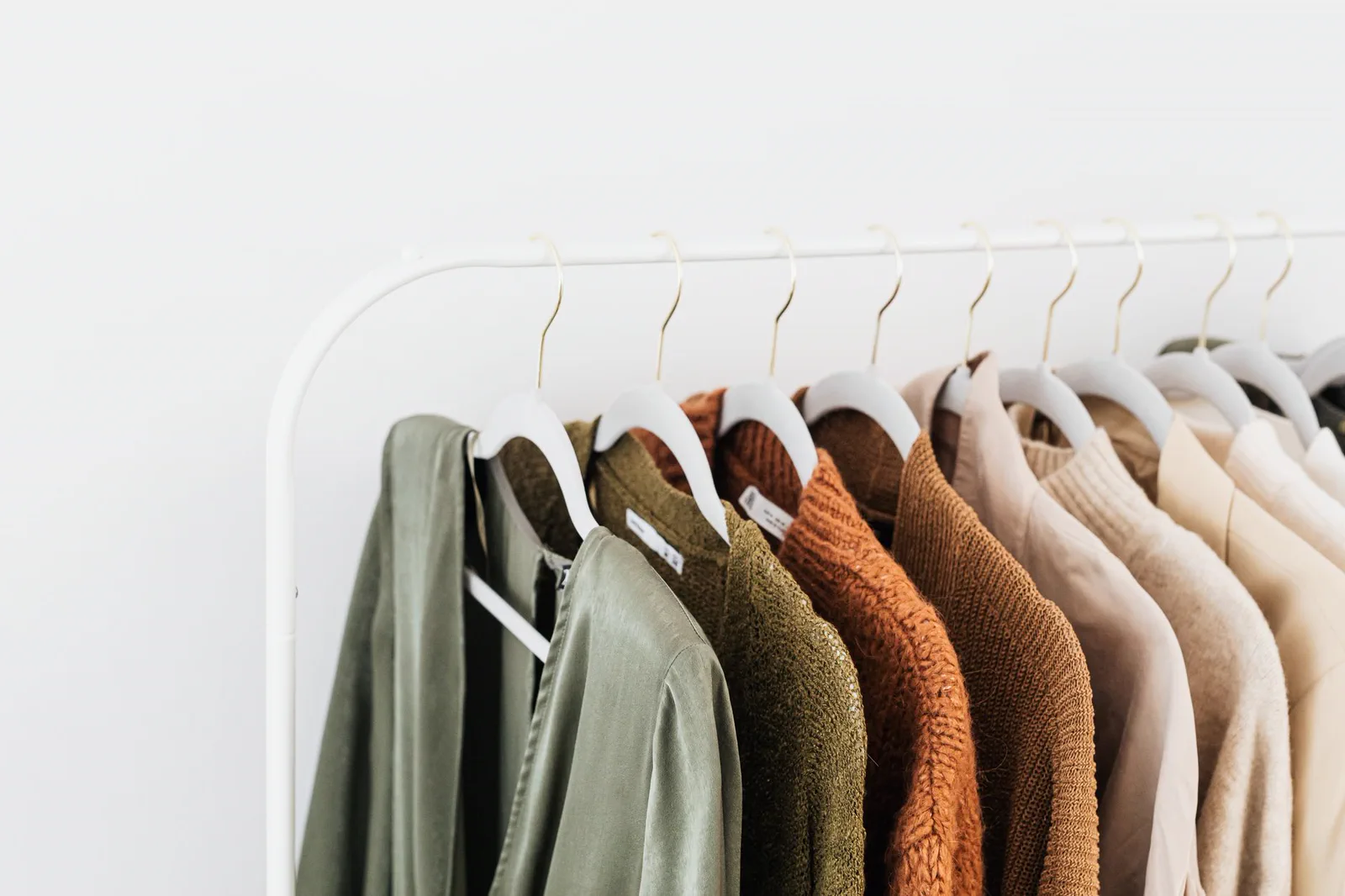
An overshirt is one of the most useful layers to own. In cotton twill, wool blend, brushed flannel, or a dense jersey, it can replace a casual blazer on relaxed office days. Wear it over a T-shirt with tailored trousers, or over an Oxford shirt when you need a little more structure. Choose a colour that works with most of your wardrobe: navy, deep olive, charcoal, tobacco, or ecru are easier to repeat than a bold print.
A fine merino knit is another commuter essential. It is light enough to layer under a jacket, warm enough for an early start, and neat enough for meetings. A crewneck is the most versatile version, while a zip-neck can be useful if your office leans more casual. Grey, navy, forest green, and dark burgundy give you variation without limiting your combinations.
For more formal settings, an unstructured blazer brings polish without traditional suit stiffness. Soft shoulders, breathable fabric, and room for a knit underneath matter more than a sharp, narrow cut. A navy hopsack blazer or textured wool jacket covers a surprising number of situations.
The goal is not to stack as many layers as possible. It is to make sure each one can come off without leaving the outfit unfinished. If you can remove your coat and still feel presentable, your system is working.
Choose outerwear for weather, not just appearances
Outerwear is often the most visible part of a commute, so it is worth choosing carefully. The ideal coat should be practical at street level and composed when you arrive.
For wet city weather, a simple raincoat or mac coat in navy, black, dark olive, or taupe is a strong starting point. Look for a length that covers the top of your trousers and a shape that allows layering. A hood can be useful, but avoid overly branded or aggressively technical details if you want the coat to work with office clothes.
A wool topcoat is valuable for colder, drier months. Choose a single-breasted style in charcoal, navy, or brown with enough room for a knit or blazer. For transitional weather, a simple field jacket, chore jacket, or clean bomber is often more useful than a heavy coat.
One good rule: make your outerwear slightly smarter than the rest of your outfit. It helps the whole look feel deliberate when you are walking through the city, even if the layers underneath are simple.
Wear shoes that can handle the distance
Commuter shoes should not be an afterthought. If you walk several blocks, use stairs, stand on a platform, or move quickly between meetings, your shoes need real comfort and grip. That does not require sacrificing style.
Leather derbies with rubber soles are a practical alternative to thin-soled dress shoes. They work with tailored trousers, chinos, denim, and most outerwear. Dark brown is often more versatile than black because it feels less severe and pairs easily with navy, grey, olive, and brown.
Loafers are useful in warm weather or for shorter commutes, but choose a pair with a substantial sole if you plan to walk in them regularly. Suede can look excellent, though it needs more care in wet conditions. A dark brown suede loafer works beautifully with navy trousers and an open-collar shirt in spring or early autumn.
Clean leather sneakers remain appropriate in many modern offices. The important word is clean. Choose a low-profile pair in white, off-white, dark brown, black, or muted grey with little visible branding. Wear them with trousers that break neatly above the shoe, not with overly formal suit trousers. A pair of minimal sneakers can make an unstructured blazer and relaxed wool trousers feel current without becoming casual.
If your walk is long or your weather is difficult, consider commuting in supportive sneakers or boots and changing at the office. There is no prize for spending the day in uncomfortable shoes. Keep a simple pair of derbies or loafers at your desk if that makes your routine easier.
Make the bag part of the outfit
A commuter bag has a practical job, but it also affects the shape of what you wear. For most people, a structured backpack in matte nylon, durable canvas, or textured leather is the most versatile choice. Look for a laptop sleeve, a secure zip, and comfortable straps. Black, navy, dark olive, and deep brown will work across seasons. If you carry less, a leather or canvas tote can look more refined. Keep the contents disciplined: a small cable pouch, leak-proof bottle, and compact umbrella add function without visual clutter.
Five men’s commuter outfit formulas for 2026
You do not need endless combinations. A handful of dependable formulas will take you further than a wardrobe full of difficult statement pieces.
1. The polished everyday uniform
Wear charcoal wool trousers, a pale blue Oxford shirt, a navy merino crewneck, and dark brown rubber-soled derbies. Add a navy mac coat and a dark backpack. This works for offices with a smart-casual dress code and can shift into evening plans with little effort.
2. The relaxed creative-office look
Pair dark olive chinos with a heavyweight white T-shirt, a navy overshirt, and off-white leather sneakers. Add a simple field jacket if the weather calls for it. The proportions should be relaxed, but the clothes should be clean, well fitting, and in good condition.
3. The rain-ready workday
Start with navy tailored trousers and a fine grey knit over a white T-shirt or shirt. Add a dark olive raincoat and black leather derbies with rubber soles. This outfit stays calm and professional even when the weather is not cooperating.
4. The warm-weather commute
Try stone chinos, a navy knit polo or open-collar linen-cotton shirt, and dark brown loafers or minimal sneakers. Carry a lightweight overshirt in your bag for air-conditioned interiors. The result feels lighter without losing the structure needed for work.
5. The cold-weather city formula
Wear dark denim or grey flannel trousers with a cream merino knit, an Oxford shirt, and sturdy brown derbies. Finish with a charcoal wool topcoat and a scarf in a quiet neutral shade. This formula works because every piece has texture, but nothing competes for attention.
Keep colour simple and texture interesting
A commuter wardrobe becomes easier when the palette is limited. Navy, charcoal, grey, olive, brown, cream, white, and pale blue cover most needs. Texture adds depth without bright colour: brushed cotton, merino, twill, flannel, suede, and hopsack all work well together. Add personality through a dark green knit, burgundy scarf, or rust overshirt rather than an item that only works once.
Buy less, but expect more from each piece
The most sustainable commuter wardrobe is a collection of clothes you genuinely wear, repair, maintain, and repeat. Before buying, ask whether an item works with three outfits you own, handles your usual commute, and suits your real weather. Brush wool trousers, clean sneakers, condition leather shoes, and hang outerwear properly. A modest, well-maintained wardrobe will always look more convincing than a neglected larger one.
The best commuter style is the one you do not have to think about
Getting dressed for work should not consume all your decision-making before 9 a.m. The right commuter wardrobe gives you a small set of reliable answers: trousers that sit comfortably, layers that adjust to the weather, shoes that can handle the route, and outerwear that brings everything together.
In 2026, polished menswear is not about looking as though you never leave the office. It is about dressing for the full shape of the day. Build around comfort, quality, and repeatable combinations, then let the details reflect your own taste. The result will look better, travel better, and make ordinary mornings feel much easier to manage.